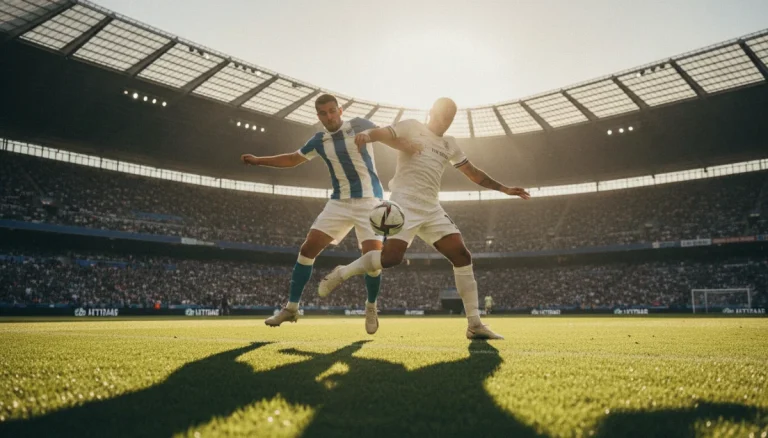

Few scoring marks in football carry the same weight as the World Cup record. For years, Miroslav Klose’s 16 goals looked unreachable, a summit that belonged to a different era and a different kind of striker. Then Lionel Messi matched it, and a once-settled race became a live storyline again.
The 2026 World Cup has turned that chase into one of the tournament’s most compelling threads. Messi stands beside Klose at the top, Kylian Mbappé is closing fast, and the names below them still define the history of the competition. What follows is a closer look at how the all-time chart was built, why the number at the top matters so much, and who still has a chance to change it.
Why the Number at the Top Matters
World Cup goals are different from league goals or even continental tournament goals. The stage is bigger, the matches are fewer, and the pressure is heavier. Every finish matters more because every tournament offers only a limited number of chances. That is why the players who rise to the top of this list tend to be remembered not only for how many times they scored, but for when they scored and what those goals meant.
The modern era has also made the record more difficult to dominate. Tournament formats have changed, defenses are better organized, and elite teams rotate more carefully across long careers. To reach the top, a player usually needs both longevity and sustained output. Very few combine both.
The First Names in the Chase
Miroslav Klose is still the benchmark because his path to 16 was steady rather than explosive. He scored across four World Cups and built his total through repeat appearances, reliable movement, and a striking instinct that seemed to show up in the biggest moments. His debut in 2002 set the tone immediately, and by 2014 he had done enough to leave the field as the game’s leading World Cup scorer.
Lionel Messi reached the same total in a very different way. His World Cup story began with pressure, criticism, and the constant expectation that he would somehow solve everything alone. Over time, his scoring record grew alongside his influence, and the 2022 tournament finally gave his legacy the defining prize it had lacked. By 2026, every added goal carries historical weight because it moves him beyond what many once thought possible.
Kylian Mbappé is the player most likely to push this race into a new phase. He already owns a World Cup title, has produced in a final, and has reached this point while still young enough to keep accumulating goals for years. The combination of pace, finishing ability, and opportunity makes him the most immediate threat to the top of the list.
The Most Important Names, Explained in Order
- Miroslav Klose built the standard with 16 goals and the rare balance of consistency and longevity.
- Lionel Messi matched that total after a career arc that moved from frustration to triumph and finally to full World Cup closure.
- Ronaldo Nazário sits just behind them with 15 goals, a total built through brilliance, resilience, and two unforgettable tournament peaks.
- Gerd Müller and Kylian Mbappé share the next tier at 14, one as a classic finisher from a different generation, the other as a modern star still writing his story.
- Just Fontaine remains one of the most astonishing one-tournament scorers ever, with 13 goals in 1958 alone.
- Pelé follows with 12, a number that reflects both his greatness and the different tournament conditions of his era.
- Sándor Kocsis and Jürgen Klinsmann are tied at 11, representing two very different traditions of World Cup excellence.
- The 10-goal group includes a wide spread of legends whose totals underline how difficult it is to break into the upper end of the chart.
Ronaldo’s Place in the History of the Tournament
Ronaldo Nazário’s 15 goals are especially impressive because they came through such a dramatic career arc. He arrived as a teenager, survived the physical and emotional strain that nearly derailed him, and then delivered one of the most famous final performances in World Cup history in 2002. His total once felt like a ceiling that nobody would challenge for a long time. Instead, he became the bridge between the old standard and the modern pursuit of 16.
What separates Ronaldo from many other high scorers is the blend of style and significance. He was not simply finishing matches; he was shaping them. That distinction is part of why his name remains central whenever World Cup scoring records are discussed.
Fontaine’s Record Inside a Single Summer
Just Fontaine’s place on the list is unique because his 13 goals came in one tournament, not across several. That alone makes his record stand apart from the rest of the top scorers. He did not need a long international career at the World Cup to leave a lasting mark. He produced one extraordinary burst of goals in 1958, and no player has matched that single-tournament total since.
This is one of the reasons the World Cup scoring conversation always has two layers. One layer tracks total career goals across multiple editions. The other asks whether anyone can ever recreate an outburst like Fontaine’s. The answer has remained no for more than six decades.
The Chasers Who Could Still Climb
Beyond the headline names, several active stars still have room to rise. Cristiano Ronaldo has entered the discussion through longevity rather than peak World Cup dominance, and he remains one of the few players whose total could keep moving if he extends his international run. Harry Kane and Neymar also belong in the broader conversation because a strong tournament can move any established scorer several places up the ranking.
The important thing is that the list is not static. A player can climb quickly with a hot streak, especially in a tournament where knockout matches can transform a solid scoring record into a historic one. That is why the current race feels so open, even with only a handful of players near the summit.
How the Story Changes From Here
The all-time World Cup scoring chart has always been more than a set of numbers. It is a record of eras, styles, and personalities. Klose represented timing and efficiency. Messi turned pressure into inevitability. Ronaldo brought power and invention. Fontaine produced a single unforgettable peak. Mbappé now stands as the clearest link between the present and whatever comes next.
As the tournament continues, the record may shift again. If it does, the next leader will not just be the best scorer in World Cup history. He will also be the latest player to prove that no summit in football stays untouched forever.