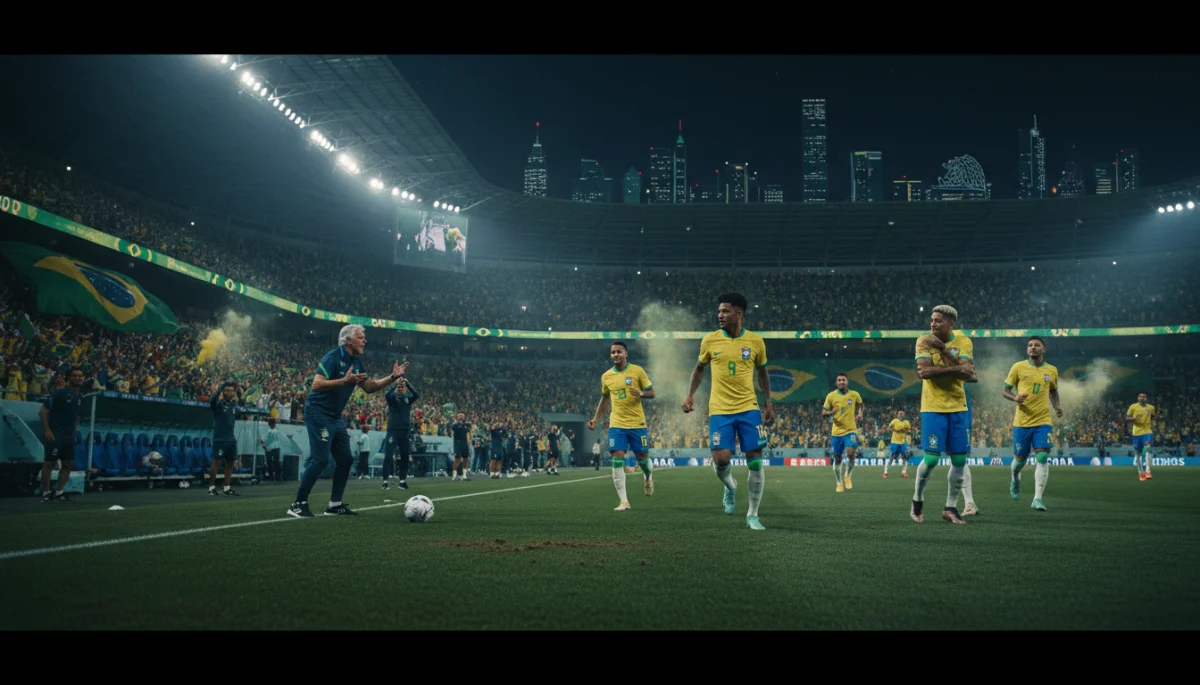
Brazil’s road to the 2026 World Cup is entering its most important phase, with Carlo Ancelotti set to reveal the definitive 26-man squad in Rio de Janeiro. After sending FIFA a broad preliminary pool earlier in the week, the coach must now make the final cuts for a tournament that will be played across the United States, Canada, and Mexico. For a nation still chasing its first world title since 2002, every selection carries real weight.
Why this squad matters so much
This is not just another roster announcement. It is Ancelotti’s first major tournament assignment with Brazil, and the expectations are enormous. He arrives with a trophy-laden club résumé, but international football asks different questions: can he build chemistry quickly, manage pressure on a global stage, and turn a talented group into a team that can survive knockout football?
Brazil’s recent history adds to the tension. Since lifting the trophy in 2002, the Seleção have repeatedly fallen short of the semifinals, often leaving fans with the same familiar feeling that the team has enough talent but not enough stability. That is why this squad is being watched so closely: it should blend proven veterans, prime-age stars, and a few younger players who can change matches off the bench.
The names expected to form the backbone
Several players appear highly likely to make the final cut, and their roles already seem fairly clear.
- Alisson remains the first-choice goalkeeper and the most trusted option in goal.
- Marquinhos and Gabriel Magalhaes look set to anchor the center of defense.
- Casemiro, Bruno Guimaraes, and Lucas Paqueta are the midfield core.
- Vinicius Junior and Raphinha headline the attacking group.
- Matheus Cunha and Gabriel Martinelli are also expected to offer flexibility in the final third.
There is also growing confidence that Wesley will hold down the right side of defense, while Alex Sandro is the most likely option on the left. If those pieces stay intact, Brazil will have a settled spine from back to front, which is often the difference between being good and being serious contenders.
Injuries that changed the conversation
The selection process has not been straightforward. A few major injuries have forced the staff to rethink the depth chart and, in some cases, the entire attacking structure.
- Rodrygo is out after knee ligament surgery and is expected to miss roughly six months.
- Estevao Willian suffered a serious muscle injury in April and will not be available.
- Eder Militao continues to deal with a long-term knee problem.
Those absences have created openings elsewhere, but they also remove options that could have given Brazil more balance. Rodrygo’s creativity, Estevao’s upside, and Militao’s defensive cover would all have been useful in a tournament where one bad injury can change a run overnight.
The Neymar decision still dominates the debate
No player has generated more discussion than Neymar. He was included in the preliminary 55-man group even though he has not played for Brazil since October 2023, when he tore his ACL and meniscus against Uruguay. Now 34, he remains the country’s all-time leading scorer, and his experience alone makes him difficult to ignore.
Reports suggest Ancelotti is leaning toward taking him, especially with other attackers unavailable and Neymar showing strong form for Santos. Neymar has also insisted that he feels physically ready and believes he has done enough to earn a place. If he is selected, the player most likely to lose out could be João Pedro, even after a productive Premier League campaign for Chelsea.
That is the kind of decision that defines a tournament squad: do you choose the safest current form, or do you make room for a proven match-winner with enormous big-stage pedigree?
Group C and the opening stretch
Brazil’s group stage route looks manageable on paper, though World Cup history always reminds teams not to get comfortable too early. The Seleção will face Morocco, Haiti, and Scotland in Group C.
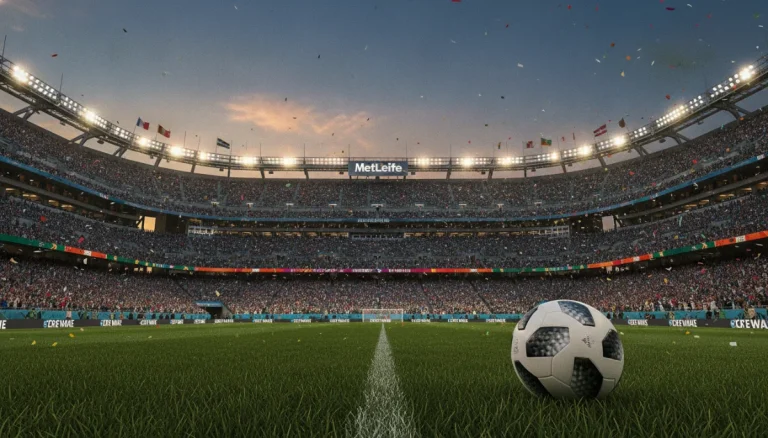
- June 13: Brazil vs. Morocco at MetLife Stadium in East Rutherford, New Jersey
- June 19 or 20: Brazil vs. Haiti at Lincoln Financial Field in Philadelphia
- June 25 or 26: Scotland vs. Brazil at Hard Rock Stadium in Miami Gardens
Morocco is the toughest opponent in the section, but Brazil should still expect to advance. A top finish would likely set up a Round of 32 meeting with a third-placed team from another group, which would be a favorable outcome if the team handles business early.
What Brazil’s best shape could look like
Ancelotti experimented with different ideas in recent friendlies, but a 4-2-3-1 or 4-3-3 remains the most likely tactical base. That structure gives the team defensive protection while allowing the wide forwards to isolate defenders and attack space quickly.
A probable starting shape
- Alisson
- Wesley, Marquinhos, Gabriel Magalhaes, Alex Sandro
- Casemiro, Bruno Guimaraes
- Raphinha, Lucas Paqueta, Vinicius Junior
- Matheus Cunha or Igor Thiago
If Neymar makes the squad, he could compete directly with Paqueta for the central attacking role or even function as a false nine in certain game states. That flexibility would give Brazil an extra layer of unpredictability, especially against opponents that sit deep and try to limit space between the lines.
The bigger picture
Brazil are not just trying to advance from Group C. They are trying to end a 24-year title drought and reclaim a place at the top of world football. With Ancelotti in charge, elite talent in key areas, and a group stage that should allow them to build rhythm, expectations will be high from the first whistle.
If the final squad stays healthy and the main stars deliver, Brazil have a realistic path to becoming one of the tournament’s most dangerous teams. The challenge now is turning that promise into a roster that can handle pressure when the knockout rounds arrive.